Best Abacus Classes for Kids in India (2026)
If you have been looking into abacus classes for kids, you may have noticed something frustrating — almost all institutes sound the same.
If you look on the internet or ask your neighbors, you will hear the same pitch from dozens of centers: "10x faster calculations," "whole-brain activation," and "turning your child into a math genius."
When you are a parent, high-level marketing claims will not make the decision for you. The important thing to remember is:
- How to find a training program for abacus in India where one can get tangible results?
- What are some of the specific things you want to review before you enroll?
- How do you prevent spending your kid's time and money on methods that aren't guaranteed to work?
This is a user-friendly and simple way to analyze an institute. Instead of blindly giving you a list of every Abacus Academy, we will explain what makes a program effective, clear up some common misunderstandings, and discuss how to choose the best abacus classes for children in India for your child's age and learning style.
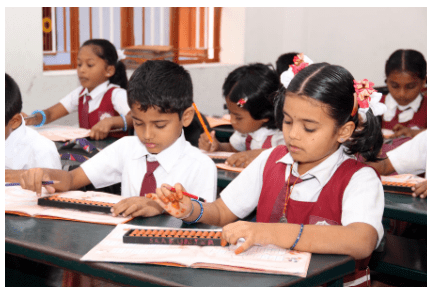
The Importance of the Right Abacus Class Over the Brand Name
Not every kid's abacus class is created or instructed in the same manner. Two facilities in the same city may both teach "Abacus Training" but the way in which they operate may have little in common.
Institute A ✅
- Structured, level-wise curriculum
- Formally certified teachers
- Child psychology awareness
- Visual progress tracking
Institute B ❌
- Unstructured practice sessions
- General tutors with unverified methods
- No formal certification
- No progress monitoring
The Price of a Bad Decision
At Institute A, a child develops real mental visualization, improves working memory, and builds strong confidence in arithmetic. The child in Institute B becomes bored, only uses rote physical movement, and drops out after three months.
The wrong choice isn't just a bad investment — it's a missed learning opportunity for your child.
When looking for the best abacus institute in India, don't judge an institute based on the largest billboard budget, the highest number of franchise locations, or the most aggressive "genius child" marketing. Judge it on structured learning, certified trainers, and measurable outcomes.
Want to See the AVAS Abacus Difference?
AVAS is NSDC Skill India approved and an NCERT Content Partner. Book a free trial class and see structured abacus learning in action.
Book a Free Trial Class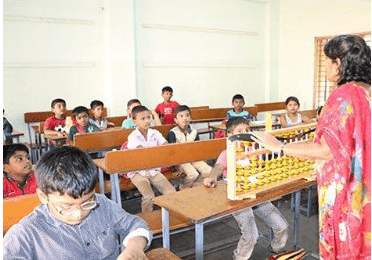
7 Things to Check Before Enrolling Your Child
Whether you're comparing national brands or typing "abacus classes near me" into Google, consider these seven factors.
Certification & Accreditation
One of the most commonly forgotten points — but it's the most important trust signal. Anyone can buy physical abacus frames and print a certificate at home. Make sure the institute is supported by reputable frameworks like:
- NSDC (National Skill Development Corporation) certified abacus training
- NCERT content alignment
- Government-recognized certification frameworks
A well-structured program follows a clear curriculum, tracks student progress, and uses proven teaching methods to help children build strong mental math skills.
Curriculum Structure
A sound abacus training program in India should have a clear, multi-level curriculum path (usually 8–10 progressive levels). There should be defined learning steps at each level, structured practice books, and required assessments at the end of every level.
Also ask if the program has integrated progression — advanced programs gradually move from physical bead manipulation to mental bead visualization, and eventually to complementary systems like Vedic Maths.
Recommended Batch Size
The learning format directly impacts results:
| Batch Type | Best For | Notes |
|---|---|---|
| One-on-One | Children needing individual attention | Trainer can focus on pace and correct mistakes immediately |
| Small Group (5–10) | Most beginners | Good balance of personal attention and interaction |
| Large Batch (15+) | Students with strong foundation only | Not ideal for beginners — hard to monitor finger movements |
Small group interaction or individual sessions for children starting out (5–7 years) work much better than large, crowded classroom settings.
Trainer Qualification
Ask the centre director directly before paying any admission fee:
"Is your teacher a certified abacus educator, or is it a general academic tutor who has been given basic training?"
A certified abacus trainer understands age-appropriate teaching methods that keep children engaged and motivated. Avoid programs with uncertified staff who have not taken formal training in abacus pedagogy.
Mode of Learning (Online / Offline)
Both online and offline abacus classes can work well if taught well:
- Online Classes: Full flexibility, no commute time, access to master trainers anywhere
- Offline Classes: Direct supervision, hands-on tool corrections, distraction-free environment
Select according to your child's age and self-discipline — not just convenience for the adult.
Trial Class Availability
A good institute will not rush you into a multi-year course of study without first giving you a chance to observe. A good trainer should confidently deliver a trial session at no cost. Watch for:
- How the instructor interacts with your child
- Whether your child feels engaged or overwhelmed
- The clarity of the teaching approach
Any institute that refuses a trial class or requires upfront commitment without a refund option should be considered a red flag.
Track Record
Don't be swayed by glossy social media posts. Check:
- Number of years the institution has been in operation
- Independent, verified parent reviews
- Students' participation and performance in mental math regional and national competitions
Consistency over time tells you more than heavy marketing.
Abacus or Vedic Maths — What Should Be Learned First?
A commonly asked question from parents is whether their child should attend abacus or Vedic Maths classes. Many institutes consider these competing options; however, they address entirely different aspects of cognition.
🔹 Abacus
- Works with a physical bead frame and visualization
- Supports focus, memory, and brain coordination
- Most suitable for young children (5–12 years)
- Builds a strong base in number sense
- Progressively moves to mental calculation
🔹 Vedic Maths
- Ancient Indian formulas (sutras) for fast calculation
- Efficient for complex problem-solving
- Suitable from Class 4 (age 9+)
- Helps with school and competitive tests
- Focuses on fast arithmetic solutions
Why Combined Programs Work Best
Leading education systems use a dual-track approach rather than requiring parents to choose one. A combined progression uses Abacus to develop visual brain capacity, then Vedic Maths shortcuts to further enhance maths fluency.
What's the Right Age to Start Abacus Classes?
The best age to start abacus training is from 5 years old to 12 years old.
Starting Early (Ages 5–7) Works Best
The brain networks involved in visual and spatial reasoning are rapidly formed during early childhood. Children in this group:
- Make a smooth movement from the physical bead to mental visualization
- Feel comfortable learning from hands-on, sensory activities
- Develop good concentration skills before Primary gets heavier
Signs Your Child Is Ready
Your child doesn't have to be a genius to get started. They are ready when they can:
- Identify numbers 1–100
- Follow simple, two-step instructions
- Sit and participate in an activity for 15–20 minutes at a time
Starting at Age 8 or Older
Your child can still benefit greatly if they are 8 or older. Older beginners grasp the logic of arithmetic rules more quickly — but their abstract thinking patterns are more ingrained, so developing internal mental images may need a bit more practice.
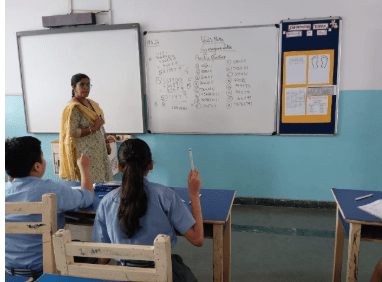
Research — What the Facts Reveal About Abacus Training
Marketing material frequently includes phrases like "photographic memory" or "guaranteed 100% in school math." It's useful to discern what is really cognitive science and what is hype.
Studies using peer-reviewed neuroimaging and developmental psychology reveal strong results across three primary areas:
Enhanced Working Memory
Trained abacus users engage both left (analytic) and right (visuospatial) brain hemispheres, increasing working memory for multi-step problems.
Improved Visuospatial Processing
Converting physical bead movements into mental images enhances spatial reasoning — helping geometry and structural thinking later in life.
Arithmetic Speed & Focus
Frequent mental abacus use stimulates quick computational response and develops sustained attention span through speed drills.
Abacus is not a magical formula. It's systematic brain training. The cognitive benefits are real — but they are the result of regular practice, proper technique, and consistent attendance.
Online vs Offline Abacus Classes: What Works Best for Your Child?
🔹 Online Classes
- No travel required
- Access to best trainers across India
- Instructor monitors via webcam
- Requires parental supervision to minimize distraction
🔹 Offline Classes
- Travel required (set schedule)
- Local tutors only
- Direct physical supervision
- Low distraction — classroom environment
When to Choose Online
- Your location has few certified offline centers
- Your child is 5 or older and can concentrate during an interactive screen session
- Your family needs schedule flexibility for school, sports, and hobbies
When to Choose Offline
- Your child gets easily distracted by digital screens
- You prefer face-to-face interaction with the teacher after each class
The Hybrid Model
Many of today's educational institutes offer a hybrid solution — live interactive online sessions combined with offline practice dashboards, quizzes, and competitions. This makes it a convenient and accountable option for busy families.
⚠️ Red Flags to Watch Out For
- Refusing to allow parents access to a trial class prior to full payment
- Does not follow any officially recognized certification or curriculum standards
- Overstating claims such as "instant genius," "photographic memory," or "guaranteed top rank in 30 days"
- No workbooks, no level-wise grading criteria, no formal certificates at each level
- Generic tutors not professionally trained as abacus teachers
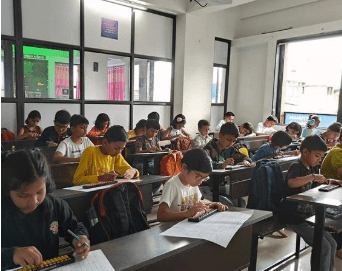
- Overcrowded batches of 15–20 students with no ability to monitor each beginner's finger movements
What Makes AVAS Abacus Different from Other Programs
AVAS (Abacus & Vedic Arithmetics Study) is a transparent and highly credible learning model that focuses on institutional quality over advertising.
- Government & Skill India Recognition — AVAS is an NSDC Skill India Approved Training Partner and NCERT Content Partner with an MoU signed at IIT Delhi
- Integrated Dual-Track Curriculum — Structured 10-level Abacus visualization training alongside Vedic Maths paths, giving a complete foundation in mathematics
- Certified Master Educators — All trainers go through formal training at the Indian Institute of Abacus & Vedic Maths (IIVA), covering finger technique, child psychology, and assessment standards
- Flexible Learning Formats — Programs delivered in small group interactive live online sessions and offline centre networks throughout India
- Progressive Assessment — Official certificates issued at each evaluated level, with digital practice dashboards and regular progress monitoring
How to Book a Trial Class
You should never feel pressured to make the right choice for your child. The simplest method to see if an abacus program is right for your child is to try it yourself.
- Choose Your Preferred Learning Style — Online live class or abacus classes near me — and enter your child's age
- Watch the Demo Session — Your child attends one introductory class; observe how the instructor engages with students, teaches, and manages pace
- Examine the Assessment — Speak with the certified instructor after the demo to discuss your child's beginning comfort level, recommended batch size, and customized progression plan
Frequently Asked Questions
What is the best age to start abacus classes for kids?
The best age to start abacus is 5–7 years, but children up to 14 can still benefit significantly.
Is online abacus training as effective as offline classes?
Yes — if the program is structured and the child is focused. Younger kids often do better offline.
How long does it take to complete an abacus course?
Most programs run for 18–36 months, divided into multiple levels.
Does abacus help improve math performance in school?
Yes. It improves speed, accuracy, and confidence in calculations — all of which translate directly to better school performance.
What's the difference between abacus and Vedic Maths?
Abacus uses beads and visualization to build brain skills, while Vedic Maths uses formulas and shortcuts for fast calculations. Both complement each other.
Are AVAS's abacus classes NSDC and NCERT certified?
Yes. AVAS programs are designed with NSDC certification alignment and NCERT-based academic structure.
Final Thoughts
Choosing the best abacus classes for kids in India isn't about picking the most popular name — it's about finding the right fit.
- Certification
- Curriculum structure
- Trainer quality
- Learning format
And always take a trial class first.
The right program will not only help your child to calculate more quickly — it will help your child to think better.
Find the Right Abacus Program for Your Child
AVAS Abacus — NSDC approved, NCERT aligned, and backed by certified trainers across India. Book your child's free trial class today.
Book a Free Trial Class