
What to Look for in a Low Investment Education Franchise – A Buyer's Checklist (2026)
The Education Industry in India is going through a paradigm change. Parents are now moving beyond traditional tuition classes and looking forward to skill-based learning programs that help their children learn problem-solving, concentration, mental mathematics, creativity, and logical thinking.
This has led to a huge demand for affordable education companies. As a consequence, many business people, teachers, homemakers, and professionals have started looking towards low investment education franchises.
Often investors pay attention to only one factor — the amount of franchise fees — and neglect other equally crucial things like quality of curriculum, training and development assistance, operating cost, technical infrastructure, marketing support, and ongoing royalties.
It is therefore necessary to perform education franchise due diligence before you sign up for any franchise. A well-thought-out decision can help you create a sustainable business, while a wrong decision can turn out to be an unwise expenditure and limit your growth prospects.
Why Low Investment Doesn't Mean Low Risk
A lot of individuals believe that lower franchise fees mean lower risk. This is not necessarily the case. Lower investments usually mean shorter research processes from buyers — and therefore lead to poor decision-making. That's why using a structured education franchise checklist is essential before assessing any affordable business opportunity.
Smaller Investment = Faster Decisions
First-time investors concentrate on affordability and base their decision on marketing material rather than analysis. The knowledge of how to properly evaluate a franchise prevents this trap.
Due Diligence Spots Hidden Risks
Education franchise due diligence uncovers hidden costs, poor educational programs, weak support systems, and ambiguous agreements that aren't visible at first glance.
A Checklist Minimises Mistakes
A structured checklist builds an objective decision-making process. It enables investors to spot red flags and develop a practical approach to low investment franchise vetting.

The Checklist
Is the Certification Real and Verifiable?
Certifications boost the credibility of the franchise and the training process, but certifications are not always of equal value. Before making the investment, confirm that the certification is connected to an accredited organization or government-sponsored program. Instead of taking marketing claims about certification at face value, ask for registration documents that can be checked by third parties. Good certification helps build your reputation and win the confidence of parents and children.
Is There a Sample of the Curriculum Available for Review?
Curriculum is one of the most crucial aspects of any education franchise. Ask for sample lesson plans, study materials, teaching techniques, and assessment methods before signing the contract. Reviewing the curriculum in advance allows you to evaluate the educational quality and check its alignment with current educational requirements. A refusal to provide even a sample should be treated as a red flag.
What Exactly Does the Investment Cover?
Many investors pay attention solely to the franchise fee and fail to look beyond it. A good investment plan must make clear what it covers — for example, teacher training, study material, marketing services, technological resources, business advice, and curriculum development. This approach to analysing low investment franchises will allow you to identify any hidden costs or gaps in the package in advance.
Is There an Ongoing Royalty or Revenue Share?
While some education franchises take a one-time payment, others collect monthly royalties or a percentage of revenues earned. Make sure you get all financial details in writing. Understanding the royalty structure is a necessary part of education franchise due diligence, since regular payments can significantly influence your profitability. Never rely on verbal promises when choosing a franchise business.
Are ROI Estimates Realistic and Well-Disclosed?
Do not trust franchisors that guarantee a definite level of earnings without revealing the basis of their calculations. A realistic ROI estimate should include specific assumptions — enrollment figures, course prices, operation costs, marketing expenses, and break-even timeline. Learning to evaluate a franchise means being able to assess whether earnings estimates are grounded in reality. Vague income guarantees are one of the clearest red flags in this industry.
What Happens After Signing — Constant Support or Silence?
The communication between a franchisor and a franchisee should not end after signing a contract. Ongoing support plays an important role in the long-term success of your education business. Check in advance whether the company offers constant training, curriculum updates, marketing assistance, and technical support. This is a crucial part of education franchise due diligence — consistent post-signing support can greatly improve business performance.
Can You Talk to an Existing Franchise Partner?
The best way to understand your future business is to speak directly with those who already work with that franchisor. They will tell you about the quality of training, support, typical student numbers, and real challenges. If a company does not allow you to contact their existing partners, treat it as a red flag. Asking for partner references is an important part of evaluating any education franchise and should be non-negotiable.

🚨 Red Flags to Walk Away From
- Promises of guaranteed monthly income — no legitimate franchise can guarantee earnings without knowing your market and marketing effort
- Urgency to sign the deal — pressure to commit quickly is designed to prevent you from doing proper due diligence
- Unverified or vague certification claims — "internationally recognized" without naming the body is meaningless
- Reluctance to share curriculum samples — any quality education franchise should be happy to demonstrate its teaching materials
- Refusal to connect you with existing franchise partners — this is one of the clearest signs of a weak or poorly supported network
- Poor online presence — a franchise you can't find reviews or information about independently should be approached with caution
Questions You Must Ask on Your First Call
Your first conversation with a franchisor should be about getting facts, not listening to a pitch. Preparing these questions in advance makes it significantly easier to compare options fairly.
About Investment
- What is the total investment required — franchise fee plus setup?
- Are there any hidden costs not listed in the brochure?
- Does the investment include training material and teacher training?
- Are there royalties, renewal fees, or per-student charges?
About Training and Curriculum
- Can I review a sample of the curriculum before signing?
- Is teacher training included in the package?
- Will I receive teaching materials and lesson plans?
- How frequently is the curriculum revised and updated?
About Business and Marketing Support
- What marketing support will I receive?
- Does the franchise assist with student recruitment?
- Is there a dedicated support team I can contact?
- What technology tools or portals are provided?
About Growth and Profitability
- What is a realistic timeline to recover my investment?
- What is the typical number of enrolled students for existing franchise owners?
- Can I speak with a current franchise partner before deciding?
- What are the prospects for expanding the business in future?

How Does the AVAS Franchise Model Measure Up to This Checklist?
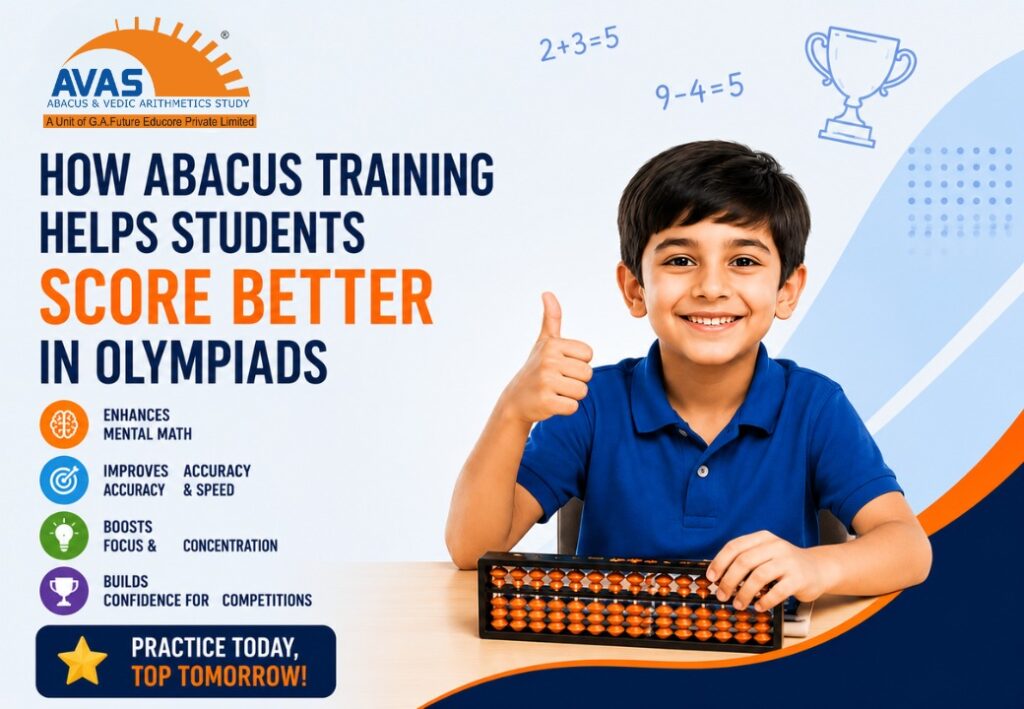
In light of the essential elements covered by this buyer's checklist, the AVAS franchise model addresses the key factors that serious investors look for before committing:
🏛️ Verified Training and Certification
- NSDC-linked training and certification
- Structured teacher training program
- Skill-oriented learning methodology
- Standardized teaching approach across all centers
📋 Transparent Business Support
- Clear training programs with defined structure
- Study materials and curriculum provided
- Guidance in business management and center setup
- Regular curriculum updates
🤝 Continuous Post-Signing Support
- Ongoing academic and operational support
- Marketing guidance and materials
- Access to current learning resources
- Long-term partnership approach
💰 Low Initial Investment Model
- No ongoing royalty payments
- Franchise partners retain 100% of tuition fees
- Focus on growth through training and curriculum quality
- Accessible to home-based and small center owners
Enquire About the AVAS Franchise
Zero royalties, NSDC-certified programs, full training and curriculum support — and existing franchise partners you can speak to before you sign.
Start the ConversationFrequently Asked Questions
How do I verify if an education franchise is NSDC certified?
Do not take promotional literature or verbal claims at face value. Ask the franchisor for registration documents, NSDC partnership numbers, or certificate numbers that can be independently verified. It is also important to clarify whether the accreditation applies to the training course, the organization, or both — these are different things and carry different weight.
What questions should I ask before buying an education franchise?
Ask about the total investment, teacher training, curriculum quality, certification type and body, royalty or revenue-share structure, marketing support, technology provided, and typical student enrollment numbers. Always request the opportunity to speak with existing franchise partners before signing any agreement.
Is a no-royalty franchise always the better deal?
A no-royalty franchise can be more advantageous when it also incorporates quality training, curriculum, certification, and ongoing business support. IIVA and AVAS operate on a no-royalty principle, giving franchisees 100% of profits from their efforts without any ongoing fees.
How much support should a franchisor provide after I sign?
Post-signing support should include teacher training, curriculum updates, marketing materials, student lead guidance, technology provision, operational mentoring, and access to a support team. Strong post-agreement support is what separates a sustainable franchise from one that leaves you on your own once the contract is signed.