
Engaging Activities to Improve Math Skills in Kids
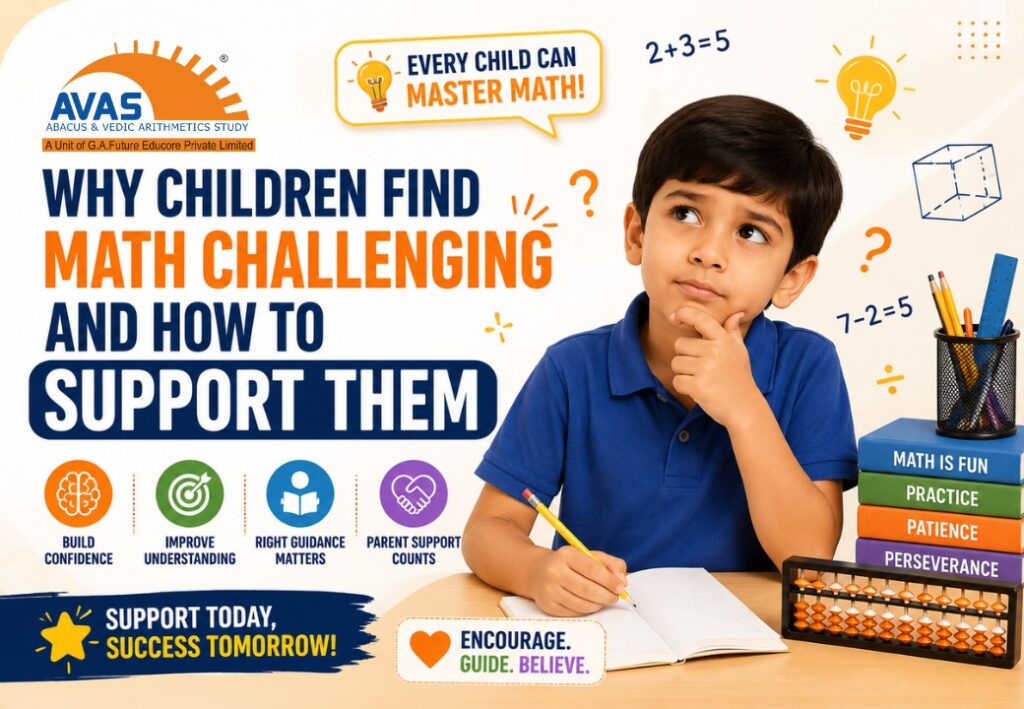
Math isn't something kids are born scared of. Ever watched a young child counting their toys or giggling over a game? They find it fun. But problems crop up later on.
The issue arises when math transforms into just another subject, full of endless sums and tough-to-remember rules. This is when kids start disliking it, not because it's too hard, but because it's no longer enjoyable.
I've seen this plenty of times—a kid who used to be excited about numbers now proclaims, "I hate math." From there, their self-confidence drops.
There's hope, though; we can totally fix this by making math interesting again.
Introducing math through fun activities can turn things around, making it seem less like work and more like something useful. Once that shift occurs, everything gets easier.
Let's explore some practical ways to do this.
Kids don't learn best just by listening or memorizing; they really get stuff when they do it themselves. You know how concepts stick when kids can touch, see, and play around with them?
If a child only solves problems on paper, math seems super abstract. Yet, when that same idea comes to life in real-world situations, everything clicks into place.
Interactive learning keeps kids engaged and stops boredom. Instead of just memorizing, they actually grasp what's going on. Plus, they build confidence bit by bit and think more logically without stress.
The amazing thing? As understanding grows, math anxiety just melts away.
Fun Everyday Activities That Teach Math
You don't always need special tools or apps; some of the best math learning happens during everyday activities. Next time you hit the grocery store, get your kid involved.
Ask things like, "How much will these two items cost together?" or "Which one is cheaper?"
They may take a while at first, but that's alright. It's about understanding, not speed.
Gradually, you'll see them figure stuff out faster on their own.
Cooking and Baking
Cooking and baking are actually great for learning math. Kids who help in the kitchen see math stuff naturally: like measuring, fractions, and quantities. For instance, if a recipe calls for one cup of flour, you might ask, "What would half a cup look like?"
These little moments make math seem real and not boring. Since it's part of a fun activity, they don't think of it as studying at all.
Travel and Outdoor Math
Even a simple walk can turn into a math activity. You could ask, "How many steps do you think it will take to reach there?" or "Which building looks taller?" What about, "What time will we reach if we walk for 10 minutes?"
These questions might seem small, but they help build estimation and observation skills quietly.
Want Your Child to Build Strong Math Foundations?
AVAS Abacus programs combine fun, interactive learning with proven techniques to boost concentration, memory, and confidence in kids.
Explore AVAS Abacus ProgramsMaths Games
Kids totally dig games, right? So why separate fun and learning when we could blend them?
Games like Ludo and Monopoly might seem basic, but they actually require counting, planning, and decisions. Children pick up these skills without even realizing they're learning.
Card Games
Card games rock for boosting number sense in kids. They speed up a child's ability to compare numbers and drill addition and subtraction while thinking fast. Best part? It keeps them hooked because it's fun.
Math Bingo
Math Bingo tops the list, particularly when played in teams. The leader yells out sums instead of digits; then kids figure out and mark their spots. This not only amps up the thrill but friendly rivalry too.
Brain-Boosting Math Activities
Some activities aren't just about learning math; they train the brain too. Math puzzles especially get kids thinking differently. Instead of just following steps, they ask, "Can I solve this another way?" This type of questioning seriously builds problem-solving skills.
Mental Maths Challenge
Mental math doesn't have to be complicated. You can start small—just do quick additions while walking, try some multiplication tricks, or set short daily challenges. At first, kids might hesitate, but gradually they begin to enjoy the challenge. Programs like Vedic Maths build on exactly this kind of mental agility.
Sudoku and Logic Games
Sudoku and logic games rock for boosting concentration. You need patience, focus, and strategy to excel at them. Kids can definitely get better at tackling challenges as they play.
When it comes to abacus learning, it sets regular math lessons apart. Rather than simply jotting down numbers, kids learn to picture them in their minds.
Regular Practice Does Wonders
Kids end up calculating super fast and memorizing better. They stay focused longer and feel more confident too. The cool part? They eventually ditch the abacus, solving problems entirely in their heads. This is the core idea behind AVAS Abacus training programs.
Technology-Based Math Activities
We can't ignore technology's role nowadays. There are tons of apps and online tools that make learning math fun and interactive. With animations, quizzes, and games, tough topics become easier.
But we need balance. Too much screen time can hurt concentration, so mixing digital learning with real-world activities works best.
Different Activities Suit Different Kids Based on Age
Keep things easy—count objects, spot shapes, sort items into groups.
Can handle more complexity: board games, basic mental math, simple word problems.
Add logic puzzles, real-world problem-solving tasks, and budgeting exercises.
Tailoring the activity to fit the child's age level really makes a huge impact. AVAS Abacus designs its abacus and Vedic Maths courses around these age groups for exactly this reason.
Why Engaging Math Activities Matter
Engaging math activities benefit kids in more ways than just their grades. They understand concepts better, focus more, and solve problems quicker too. Confidence soars as well. Most importantly, these fun activities help them overcome their fear of math.
Tips for Parents
Don't be a math whiz to aid a kid's learning. Remember these tips, though:
Be Patient
Understanding happens with time. Don't rush the process.
Cheer Their Effort
Praise the effort, not only right answers.
Use Everyday Examples
Leverage real-life situations often to make math relatable.
Make It Fun
Ease the stress and turn learning into play.
Small shifts in how you teach can lead to major wins sometimes.
Common Mistakes to Avoid
Avoid common mistakes that make math tough for kids. Don't force memorization without understanding, compare one child to another, or push too fast. Also, keep anxiety at bay. Kids do best when they feel safe to try and even make mistakes. They learn so well when they're not stressed out.
Conclusion
In the end, math goes beyond just numbers; it's about thinking, understanding, and problem-solving. Kids improve when they're in the right environment with fun activities – there's no need to push them hard. Start simple and keep it enjoyable.
Then once they start having fun with math, everything gets easier for them. If you're considering structured training for your child or even exploring teaching as a career through IIVA, building this kind of strong foundation early makes all the difference.
Help Your Child Fall in Love with Math
Discover how AVAS Abacus and Vedic Maths programs build confidence, concentration, and a genuine love for numbers in children.
Learn More About Our Programs