
It is suggested that math is one of the most complex subjects especially for children who have just started their journey in studying. However, mathematics does not always have to be a difficult task because with the use of certain methods, math can become a very fun experience. Children will consider learning numbers as a fun task since they will participate in some kind of fun activities.
One of the most efficient methods for developing interest in studying math involves participating in memory games which help concentrate and memorize the acquired information. The blog provides several ways of making the process of studying math exciting and stimulating children’s development.
Importance of Early Mathematics Learning
The significance of mathematics learning at an early stage plays a very crucial role in the total development of a child. Not only is learning of numbers involved in the process, but also the development of patterns and relationships as well as problem solving skills. The development of number sense in childhood facilitates an easier understanding of mathematics for children.
Mathematics learning also holds great importance in promoting brain activity in children. Children utilize various sections of the brain while solving mathematical problems, which promote memory, attention and logical skills through mathematics.
Memory improvement games also hold great importance in promoting early learning and focus skills among children. These games improve brain activities among children through rapid information processing skills.
How to Make Math More Fun for Kids
In order to ensure that children do not hate mathematics, it is important for the parents to ensure that they make mathematics more enjoyable for them. Some of the ways through which this can be done are as follows:
- Use of Mathematics as a Game
Games are the favorites of children. In order to make mathematics more exciting for them, it will be important for you to transform math lessons into something which resembles a game. Use of number quizzes, puzzles, and brain teasers can help you to accomplish your purpose.
- Use of Mathematics in Everyday Activities
Mathematics is part and parcel of our everyday life. You can show the importance of mathematics by using math lessons while doing normal day-to-day activities.
- The Use of Objects in Learning Mathematics
You should adopt the hands-on method to make your children more interested in mathematics. Toys, flashcards, or any other objects could prove to be helpful.
- Use of Stories and Music
Use of stories or music in mathematics can make your child enjoy the lesson.
Mathematical Activities for Children of Various Ages
There are various approaches that can be taken when it comes to children based on their ages. Some of the mathematical activities one could carry out include the following:
For Ages 3 to 5 Years
This is when children begin recognizing numbers.
- Counting through toys, fruit or anything else you have lying around you
- Number songs
- Number association activities
- Memory games to sharpen children’s memories
For Ages 6 to 8 Years

At this age, children will start understanding mathematics basics and patterns.
- Addition and subtraction
- Numbers’ mind games
- Pattern recognition activities
- Basic mind games to inspire mathematical thinking
For Ages 9 to 12 Years
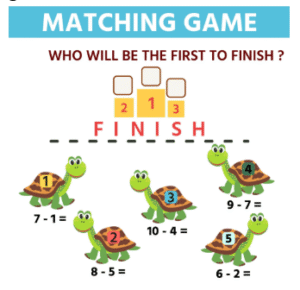
This is an age where children are able to understand complex problems.
- Multiplication and division
- Number games involving logical thinking
- Brain teasers
- Advanced memory games
Advantages of Interactive Math Learning
Interactive approach creates a fun environment for learning math. Children will not have to learn math by heart since they become active participants of the process.
Number sense is one of the major advantages that will appear because children start understanding how numbers work. It will also help to pay attention and memorize everything better.
Critical thinking is another advantage since it helps developing critical thinking and encourages analytical and innovative thinking when dealing with tasks. One more advantage is that we may create child-friendly environment making math fun for kids.
Those children who find learning interesting are more likely to develop a positive attitude towards this subject.
Abacus: An Important Tool in Math Learning

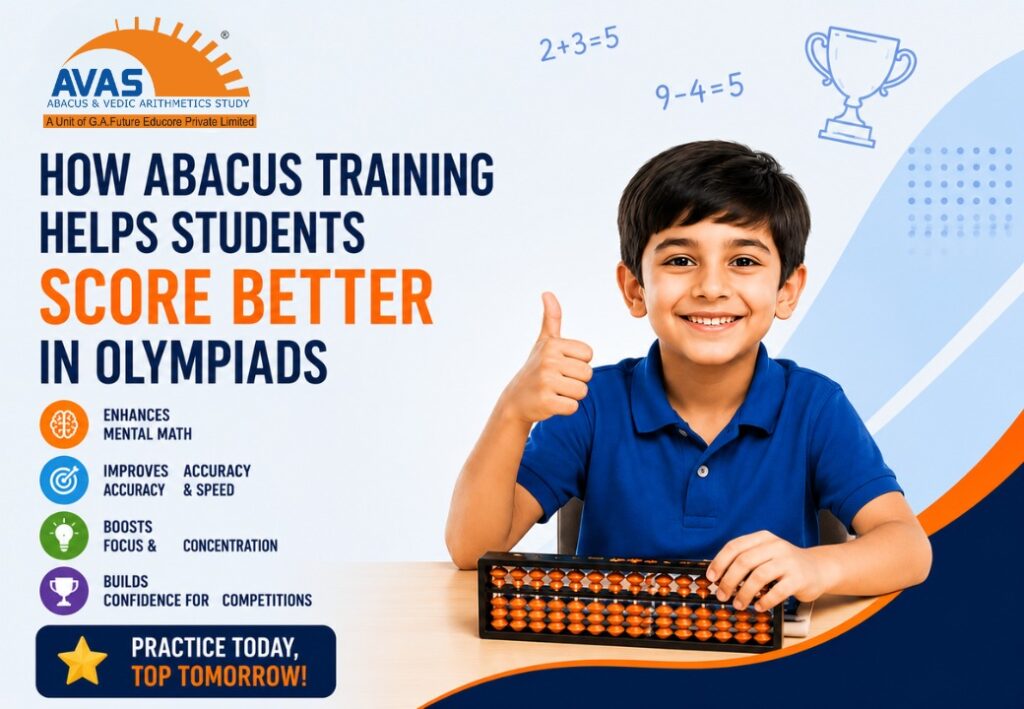
Abacus is one of the best tools in teaching math to kids since it enables them to learn mathematics through visualization. In doing calculations using abacus, children improve their math skills as well as sharpen their minds.
One of the many advantages that come with children learning math using abacus is the development of mental math skills. With consistent practice, children will be able to do calculations even when they are challenging without necessarily using a calculator.
With abacus, there is brain exercise as the two brain hemispheres are stimulated at the same time, which ensures that children concentrate and memorize better.
Moreover, abacus makes the children confident while solving problems.
Mistakes Which Parents Make While Teaching Math
While parents educate math, they may be unaware and may create extra pressure on kids or make them confused. Some typical mistakes which parents make while teaching math are:
- Taking a lot of time in making children stressed or studying
- Concentrating only on memory without paying due attention to concepts
- Comparing kids with others which demoralizes them
- Sadness towards playing and learning
It should always be kept in mind that each child learns differently and needs extra time to understand some subjects.
What Parents Should Do for Making Their Children Interested in Mathematics?
It is necessary for parents to create an appropriate study atmosphere for their kids. Below are some things you should do to help your child develop a liking towards math.
First, appreciate their efforts more than success. Secondly, play memorizing games with them, including mathematical puzzles for children.
Thirdly, allow children to pose questions and find answers themselves. Use easy and encouraging language to get rid of fears.
Fourthly, you should spend quality time with your children learning together.
Why Should Children Be Lovers of Mathematics
In the case when children enjoy learning about numbers, it is much easier for them to stay focused on it and be involved in this process. The love of math gives children more confidence in themselves, making them calm while solving problems.
Their interest in studying math can improve children’s performance at schools because they will be ready to work and apply knowledge they obtained. It allows improving logical skills and developing a problem-solving attitude.
Most importantly, it changes children’s attitude toward mathematics from unpleasant to enjoyable.
Conclusion
Mathematics can be made interesting and captivating when students learn through games to enhance memory among other learning strategies. With the use of practical activities and fun learning processes, the approach of children towards mathematics lessons changes completely.
In addition to improved performance in academics, the introduction of children to mathematics plays a critical role in their cognitive growth. Engaging children in mathematical problems in an interesting way helps to boost their confidence and create interest in learning.